Understanding Image Stabilization in Cameras: Everything You Need to Know
Image stabilization is a vital feature for any camera, particularly if you're filming action-packed moments or taking handheld shots. It can make the difference between a crisp, clear image and a blurred, shaky one. If you're considering buying a camera, understanding how image stabilization works and its importance is crucial for making the right decision.
This comprehensive guide will delve into the details of image stabilization, its pros and cons, and how it impacts your photos and videos.
What is Image Stabilization in a Camera?
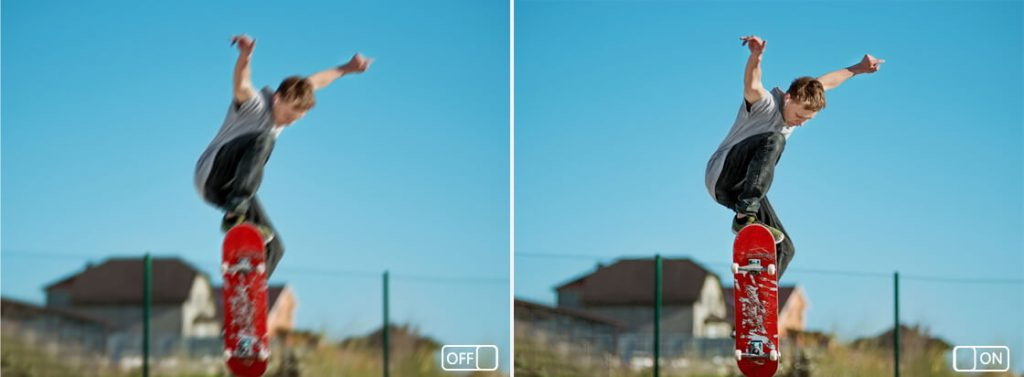
Image stabilization (IS) refers to a technology used in cameras and lenses to reduce blur caused by the camera's movement during exposure. This is particularly important when shooting in low light, with long shutter speeds, or in fast-paced scenarios. Without stabilization, any slight shake or jitter from your hand can lead to blurry images.
There are two main types of image stabilization.
Optical Image Stabilization (OIS):
This involves physically moving elements within the camera lens or sensor to counteract the motion detected by the camera. OIS is particularly effective for still photography, especially in low-light situations.
Electronic Image Stabilization (EIS):
This method digitally adjusts the image to compensate for motion, often by cropping the edges of the video. EIS is commonly used in action cameras and for video recording to reduce the shakiness of handheld footage.
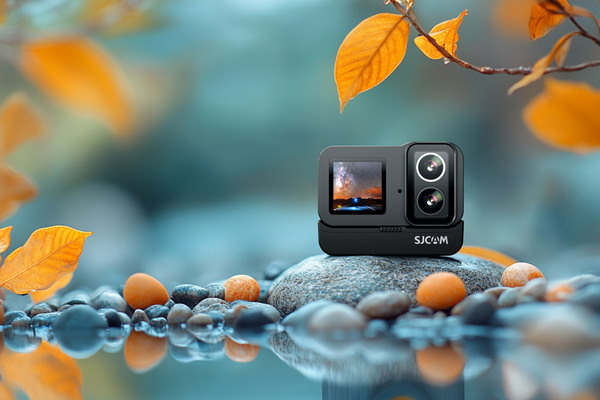
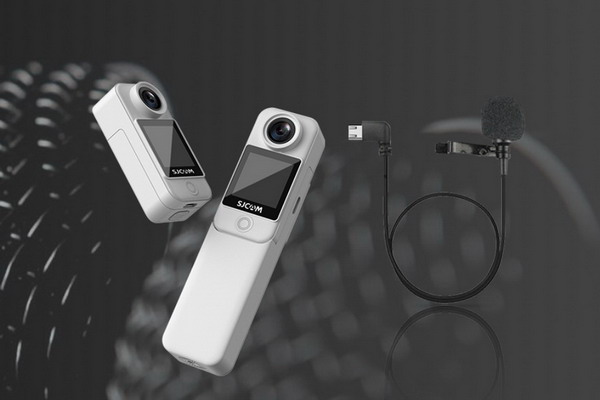
Action cameras like the SJCAM SJ10 Pro and C300 utilize advanced EIS technology, ensuring smooth, stable footage even in fast-moving environments.
What are the Cons of Image Stabilization?
While image stabilization is undoubtedly beneficial, it's not without its drawbacks. Here are some potential cons of image stabilization.
Limited Use in Extremely Low Light
While image stabilization helps to counteract minor shakes in low-light conditions, it may not fully eliminate blur when shooting in very dim environments. In these cases, a tripod or faster lens may still be necessary.
Decreased Image Quality with EIS
In electronic image stabilization, the camera crops the edges of the frame to stabilize the video. This can result in a slightly narrower field of view and, in some cases, a decrease in image quality, especially if overused.
Added Cost
Cameras with advanced image stabilization systems, particularly those with both OIS and EIS, tend to be more expensive than those without. However, considering the enhanced footage quality, this investment is often worth it for action or low-light photographers.
Despite these minor drawbacks, many cameras, including action cameras like the SJCAM SJ10 Pro and C300, use efficient image stabilization systems that greatly improve overall video and photo quality.
Do I Really Need Image Stabilization?
The necessity of image stabilization largely depends on how you intend to use your camera. If you frequently shoot handheld, particularly in motion or in low-light environments, image stabilization is critical.
Here are a few scenarios where image stabilization can significantly improve your results.
Action and Sports Photography
Whether you're filming from a moving vehicle or capturing fast-paced sports, a camera shake is inevitable. Image stabilization helps produce smoother, clearer footage.
Vlogging
For content creators who frequently move while recording, image stabilization ensures their videos are free from jitter.
Travel Photography
When you're on the move, it's only sometimes convenient to carry a tripod. Image stabilization in your camera can help you capture sharp photos and videos in dynamic environments.
For example, the SJCAM SJ10 Pro, with its advanced stabilization, is a fantastic choice for vloggers and travelers alike. Its stabilization system allows you to film while walking, running, or even cycling without significant shakiness in the footage.
However, if you're primarily shooting from a stationary position with a tripod or in well-lit conditions, image stabilization may not be as critical.
Should Image Stabilization be On or Off?
When to turn image stabilization on or off depends on the shooting conditions.
Turn On Image Stabilization
If you're shooting handheld, especially when there's a lot of movement.
When using long zoom lenses or shooting in low light without a tripod.
For action or adventure filming, where camera shake is almost unavoidable.
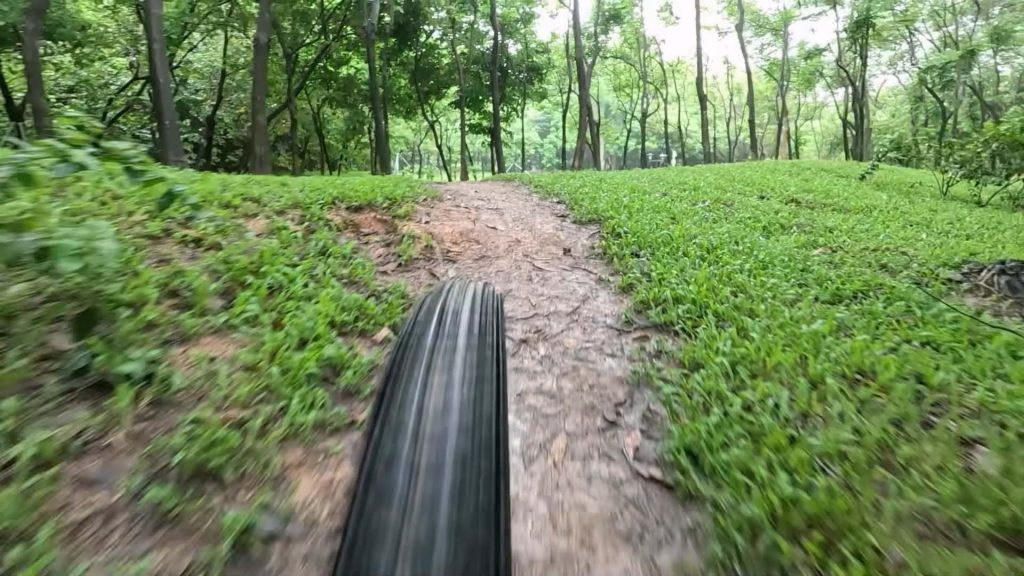
Turn Off Image Stabilization
Suppose you're using a tripod. With a stable platform, the camera doesn't need to compensate for movement, and leaving stabilization on could actually introduce unnecessary micro-shifts that degrade image quality.
When panning deliberately, like in professional videography, where the camera is supposed to follow a moving subject smoothly, image stabilization may try to counteract these motions, creating an unnatural effect.
Both the SJCAM SJ10 Pro and C300 offer flexible stabilization settings that allow you to toggle image stabilization on or off, depending on your shooting style and needs.
Does Image Stabilization Affect Video Quality?
Image stabilization, especially in video mode, can have a noticeable effect on the quality of your footage, but whether this impact is positive or negative depends on how it's applied.
Positive Effects
When properly used, image stabilization can significantly improve video quality by eliminating unwanted motion and jitter. For action sequences, this results in smoother footage that's easier to watch. With cameras like the SJCAM SJ10 Pro, which uses enhanced EIS, you get stable, high-quality video even while in motion.
Potential Drawbacks
Electronic image stabilization often involves cropping the image to keep it stable. This can slightly reduce resolution and the field of view, especially in super wide-angle shots. That said, modern cameras like the SJCAM C300 employ advanced algorithms to minimize this impact, ensuring minimal loss in quality while providing stabilized footage.
How Important is an Image Stabilizer?
The importance of an image stabilizer cannot be overstated, especially for those who frequently shoot videos or take photos while on the move. A good image stabilization system provides several key advantages.
Increased Sharpness
Stabilizers help keep the camera still during longer exposures, resulting in sharper, more detailed images.
Better Low-Light Performance
By minimizing the effects of hand movements, stabilization allows you to shoot at slower shutter speeds without introducing blur, which is crucial in dim lighting.
Enhanced Video Smoothness
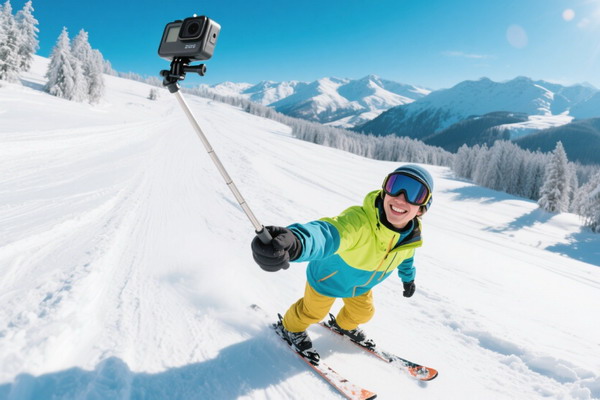
For video creators, image stabilization is vital in ensuring that your footage doesn't come out shaky, particularly during high-motion activities like cycling, skiing, or even walking.
Both the SJCAM SJ10 Pro and C300 are equipped with advanced stabilization technology that makes them ideal for adventure seekers and content creators who need dependable performance in various environments.
Choosing the Right Image Stabilization Camera
When looking for a camera with strong image stabilization capabilities, it's essential to consider your shooting needs. If you plan to capture fast-paced activities, an action camera with electronic stabilization is a great choice. If you primarily shoot still photos, optical stabilization may be more important.
SJCAM SJ10 Pro: Affordable yet Powerful Stabilization
The SJCAM SJ10 Pro offers a great option for those seeking robust image stabilization without breaking the bank.
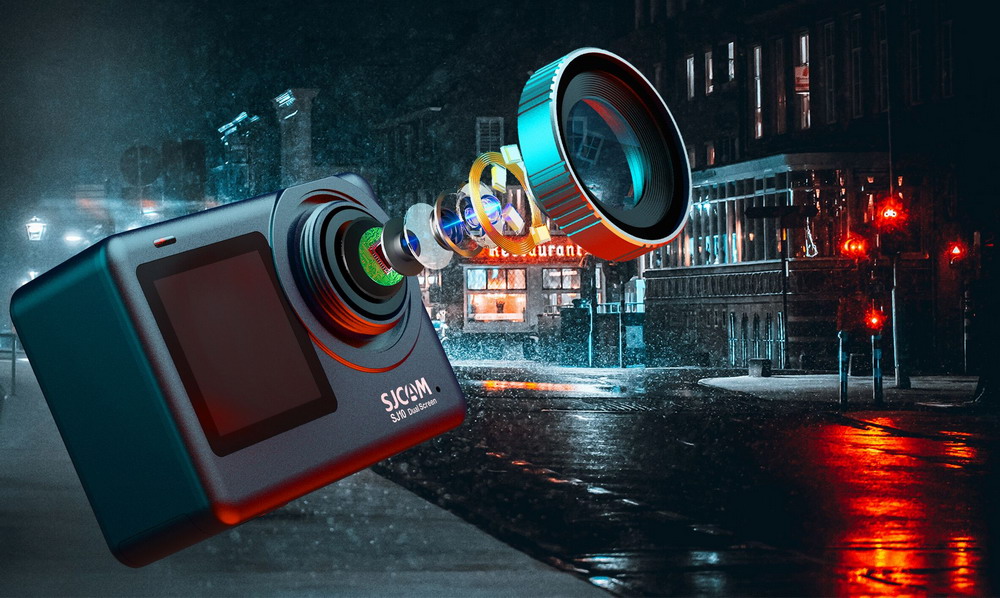
Electronic Image Stabilization
Its EIS ensures smooth, jitter-free video, making it perfect for extreme sports or casual adventures.
4K Video Recording
Coupled with stabilization, the SJCAM SJ10 Pro captures high-quality footage that looks great on larger screens.
Wide Compatibility
It works well with various mounts and accessories, ensuring you can stabilize your shots no matter the activity.
SJCAM C300: A Versatile Stabilization Camera
The SJCAM C300 is an action camera designed with stabilization in mind.
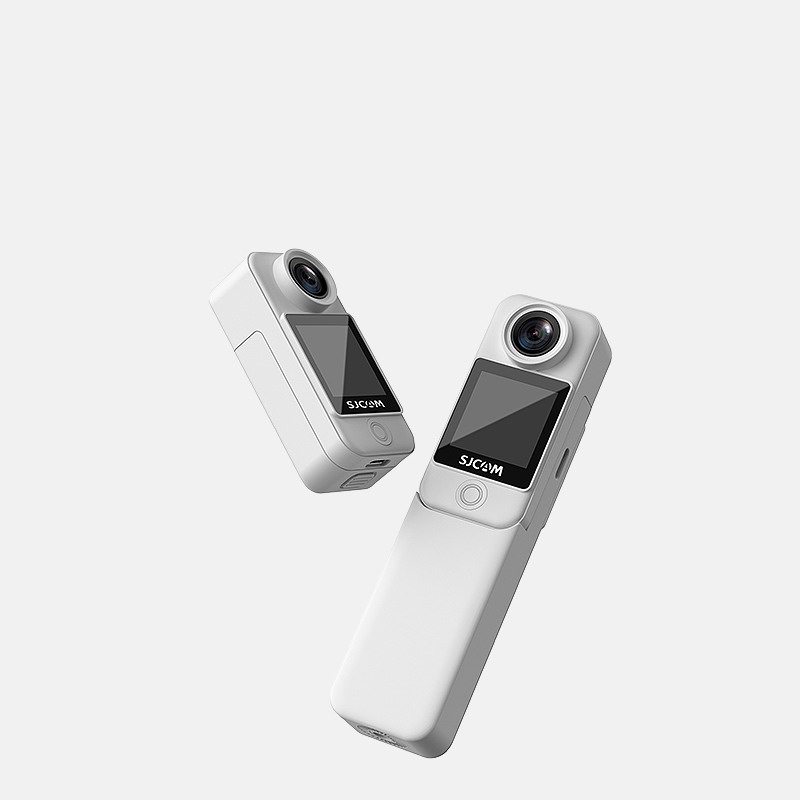
6-Axis Gyroscope-Based EIS
This advanced electronic stabilization system smooths out shaky footage, ensuring crisp video quality even in fast-moving conditions.
Waterproof and Rugged Design
Built for the outdoors, the SJCAM C300 is perfect for adventurers who need reliable stabilization in all environments.
Compact Size
Despite its powerful stabilization, the SJCAM C300 remains lightweight and compact, ideal for travelers, vloggers, and action sports enthusiasts.
Conclusion: Get the Most Out of Your Camera with Image Stabilization
Image stabilization is a critical feature for anyone looking to improve the quality of their photos and videos, especially when shooting on the go. Whether you're an action sports enthusiast, a travel vlogger, or someone who loves handheld photography, an image stabilizer can make all the difference.
Both the SJCAM SJ10 Pro and C300 are excellent choices, offering high-performance image stabilization at an affordable price. They ensure your footage remains smooth and clear, regardless of your shooting environment. So, if you're looking for a reliable, high-quality camera for your next adventure, these models are worth considering.
By choosing a camera with robust image stabilization, you can capture your adventures with confidence, knowing that your footage will be as stunning as the moments you experience.
Learn More:
Exploring EIS Cameras: a Comprehensive Guide to Electronic Image Stabilization
Exploring EIS Cameras: a Comprehensive Guide to Electronic Image Stabilization
Six Ways to Stabilize Your Camera without a Gimbal